
Don’t Paint What You See | Part 1: Reflections on Painting From AI‑Generated Imagery
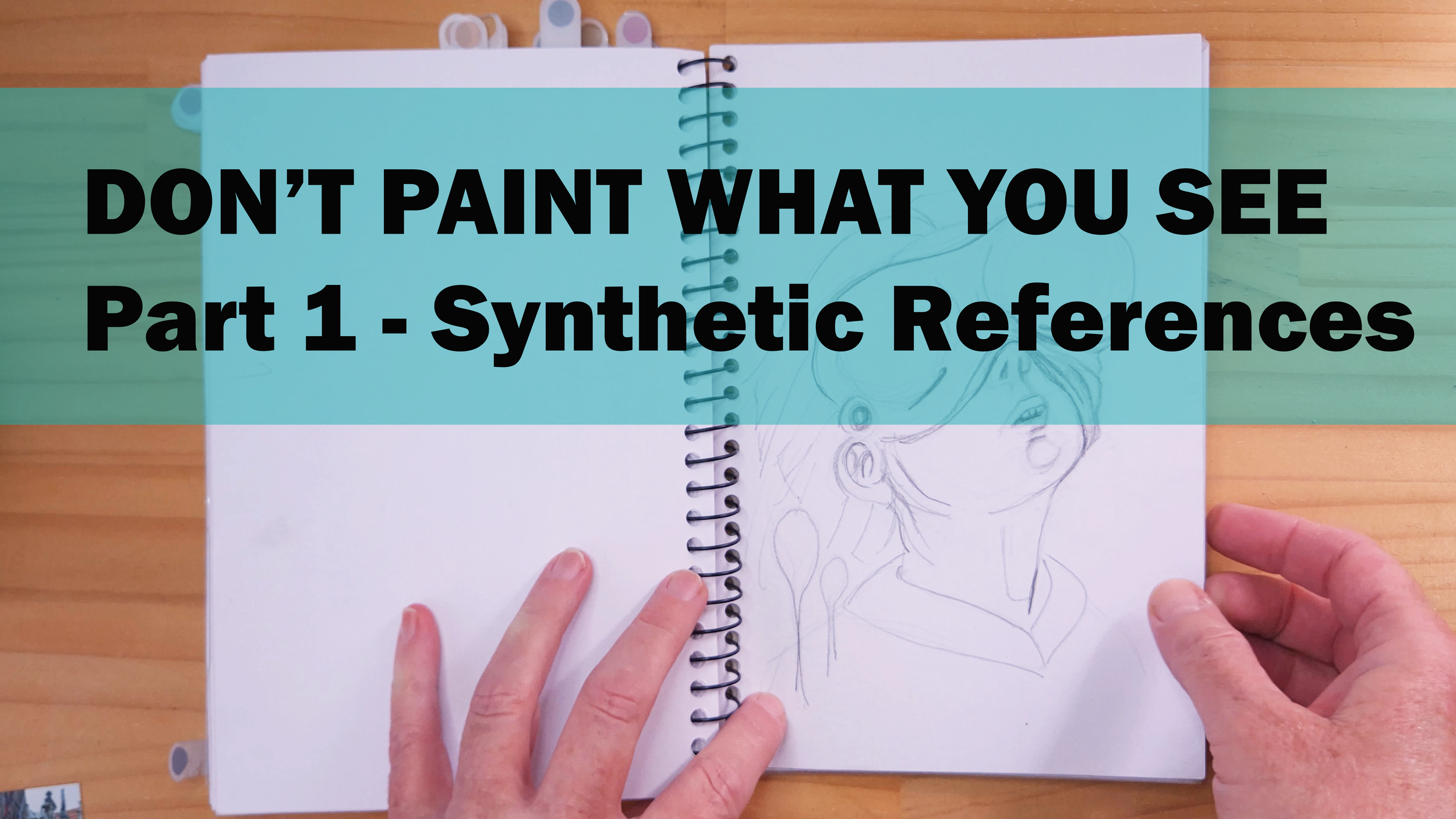
Watch the video: https://youtu.be/Sg_oDm7CIoM
In this first video of my three‑part series, Don’t Paint What You See | Part 1: Synthetic References, I explore what it feels like to paint from AI‑generated imagery as part of my practice‑led PhD research into generative technologies in the visual arts.
The video uses a small oil painting of the same name as a starting point to unpack how synthetic references differ from traditional sources like still‑life sketches, personal photographs, Creative Commons images, and digital mock‑ups.
When I began feeding my own paintings into MidJourney V3 in 2022, my image referencing changed. I was experiencing what it felt to paint a synthetic artefacts with no physical referent, no material origin, and no embodied intention behind them.
In the video, I talk through the emotional and conceptual awkwardness of making material work using artificial imagery. I ask questions about authorship, collaboration, and intentionality and reflect on how AI systems pull from human creative labour without experiencing anything themselves. Ultimately I ponder whether this absence of human embodiment creates a strange hollowness in the imagery they produce and how that affects the viewing of my work.
I also share how small elements from the generated images, like coloured raindrop shapes began to enter my own visual language and how these shapes became part of my symbology, representing the excitement, confusion, and sadness I feel when engaging with generative AI. They’re now appearing in my paintings upside down, narrating the “happy‑unhappy place”-type feeling I have using this technology.
The video also touches on how AI disrupts observational drawing principles. When there is no sitter, no object, no light source, and no lived moment, the referent collapses. You can’t paint what’s actually there, because nothing is there.
To watch the full discussion, you can find the video here: https://youtu.be/Sg_oDm7CIoM
Part 2 will explore the community response to my work with generative technologies, including dataset provenance, image scraping, and the anxieties artists are navigating in this rapidly shifting landscape.